
Efficient Rail Transportation for Commercial Cargo
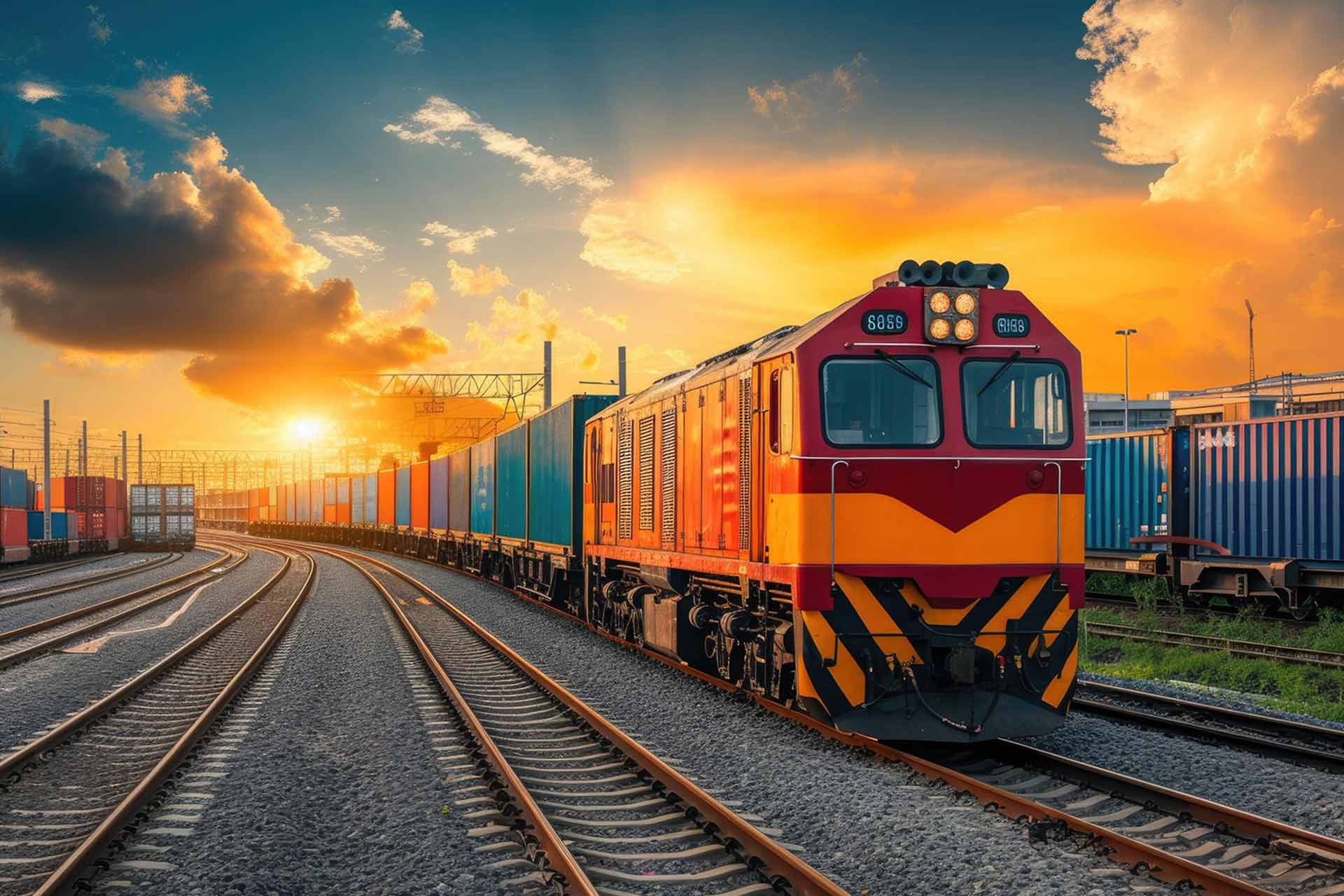
Express Priority Delivery recognizes the important role rail freight can play in the movement of commercial goods across long distances. Where suitable rail networks and services are available, rail transportation can help businesses move substantial cargo volumes between industrial centres, logistics terminals, ports, and inland distribution hubs.
Rail freight may provide an alternative to road transportation for eligible shipments, particularly when businesses are planning regular cargo movements, transporting heavy goods, or seeking to combine different modes of transportation. The best solution depends on the origin, destination, cargo type, terminal access, and required delivery schedule.
Our Rail Freight Solutions
Container Rail Freight
Container rail transportation moves goods in shipping containers between connected rail terminals. It can support international and domestic supply chains where suitable rail connections are available, including routes linked to ports and inland distribution centres.
Bulk Cargo Transportation
Rail is commonly used for certain bulk commodities and heavy materials. Cargo acceptance depends on the type of goods, available equipment, infrastructure, and applicable regulations.
Intermodal Freight
Intermodal transportation combines two or more modes, such as rail, road, and ocean freight, while keeping cargo in the same loading unit where possible. This approach can help coordinate long-distance transportation with local collection and final delivery.
Industrial and Commercial Shipments
Businesses may use rail freight to move eligible manufactured goods, construction materials, industrial supplies, and containerized merchandise. Route availability, handling needs, and service schedules must be assessed for each shipment.
Rail and Road Distribution
Rail freight often works alongside road transportation. Trucks can move cargo to and from rail terminals, helping connect rail networks with warehouses, factories, retailers, and other final destinations.
Benefits of Rail Freight
Long-distance capacity: Can accommodate substantial cargo volumes on suitable routes.
Potential cost advantages: May offer competitive costs for eligible shipments over certain distances.
Intermodal connectivity: Can work with road and ocean freight as part of a wider logistics plan.
Scheduled movement: Rail services often operate according to established timetables, subject to route and network conditions.
Alternative transportation option: Provides another way to plan cargo movements when road-only transport is not the preferred solution.
Rail freight is not available for every origin-destination combination and may involve additional terminal handling or transit time. Shipment planning should account for these factors.
How Our Rail Freight Process Works
- Provide cargo information: Share the origin, destination, cargo type, dimensions, weight, and volume.
- Check route suitability: Assess rail connectivity, terminal access, equipment needs, and service availability.
- Plan the transport arrangement: Determine whether road collection, rail transportation, and final-mile delivery are required.
- Prepare cargo and documents: Ensure packaging, labelling, and shipping documentation meet applicable requirements.
- Coordinate rail movement: Arrange the agreed transportation and terminal handling.
- Complete final delivery: Coordinate onward transportation where included in the service agreement.
Who Should Consider Rail Freight?
Rail freight may be suitable for manufacturers, industrial suppliers, wholesalers, importers, exporters, and businesses moving substantial quantities of goods along established rail corridors.
Discuss Your Rail Freight Requirements
Need to move cargo over a long distance or connect rail transportation with other shipping methods? Contact Express Priority Delivery with your shipment details. Our team can help assess route suitability and identify the transportation arrangements that may meet your requirements.
Reliable logistics starts with choosing the right transportation method.